
Is your car slow to start when it’s freezing outside? Have you seen warning lights on the dashboard? You’re not alone. At Alex Pneu et Mécanique, starting in December, we’re getting a lot more calls about battery and electrical problems. It’s almost predictable – every winter, it’s the same story.
The good news? It’s largely predictable. And with a little knowledge and a few simple gestures, you can avoid it.
Why cold is your battery’s enemy
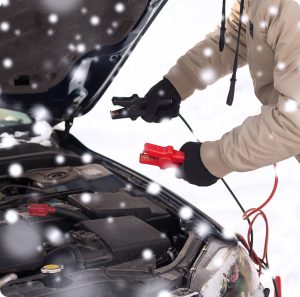
Batteries don’t like the cold. It’s a simple chemical fact: the chemical reactions that create electricity slow down dramatically when the temperature drops.
Imagine your battery like a person running a marathon. At 20°C, it runs normally. At -20°C, it runs with the flu – it can do so, but loses around 50% of its capacity. Worse still, your engine requires much more energy to start up in winter, because the oil thickens and fluids become more viscous.
What’s really going on:
- Chemical reactions inside the battery slow down
- Your engine requires 3 to 5 times more amperes to start
- The alternator (which charges the battery) has to work much harder
- If your battery is already tired, it doesn’t have the energy to keep up
A healthy 3 to 4 year-old battery can usually handle this. A 5+ year-old battery? This is often the moment when it says “no, thanks”.
Salt and humidity: Quebec’s invisible adversaries
If cold were the only problem, it would be simple. But Montreal adds its own challenges.
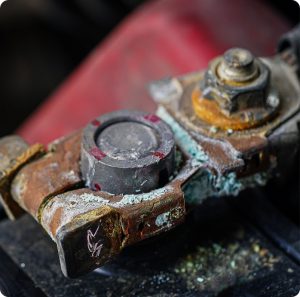
Road salt? It corrodes. Moisture? It accumulates under the hood. Together, they form a formidable pair for your electrical connections.
What happens :
- Terminal corrosion: a thin white or green crust forms on your battery’s connection points. It blocks the flow of current, even if the battery itself is sound.
- Electronic braking system corrosion: yes, it’s linked. The sensors in your brakes and suspension contain electrical components that salt also attacks. A damaged electronic braking system can cause starting problems or strange lights.
- Moisture build-up: water build-up creates short circuits and accelerates corrosion.
That’s why Montreal garages see problems in January that California garages will never understand.
Warning signs: listen to your car
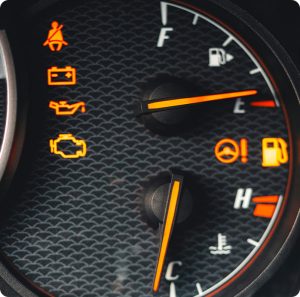
Your car is talking to you. Just listen to it – before it cries for help at -25°C in a parking lot.
Here’s what can warn you:
- Slow start: your engine idles before it really starts. Tick, tick, tick… then it finally starts. This is a clear sign that your battery is struggling.
- Headlights that dim when you turn the key: energy is used primarily for starting, not for lighting. It’s a weakened battery.
- Lights on the panel (battery, alternator, electrical system): don’t ignore them. These lights are there for a reason.
- Weird smell or hissing under the hood: electricity can create smells or noises. This isn’t normal.
- Click-click-click instead of starting: the alternator or battery is not holding up.
What you can do: Prevention 101
Don’t wait until it breaks. The best time to check is before winter starts.
1. A pre-cold diagnosis
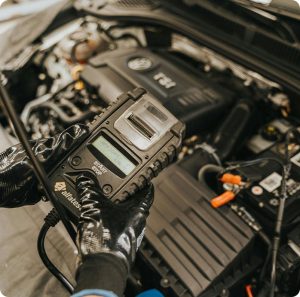
A free diagnosis at a trusted garage is 15 minutes that can save you headaches. We test your battery, check the alternator and check the condition of the terminals.
If your battery is 3-4 years old or more, this is the ideal time to find out where it stands. A professional diagnosis will determine whether it will last through the winter, or whether you should replace it before the cold weather arrives.
2. Terminal cleaning
If they’re corroded, it’s easy to fix. A little baking soda, water and a little cleaning remove the white crust. It’s like unclogging an artery – suddenly, everything flows better.
3. Check your cooling system
Yes, I know, it’s not electrical. But a malfunctioning cooling system forces your engine to work harder at start-up, which requires more electricity. They’re linked.
4. Think winter tires
When you put on winter tires that grip well, your engine starts more easily – less slip, less raw power demand. Sounds small, but it helps your battery breathe.
Our approach at Alex: 45 years of Montreal experience
We’ll never sell you a battery just to sell it. We test it first. We really explain what’s going on. And if it’s still holding up, we tell you that too.
For us, simple service is good service.
We know the Plateau Mont-Royal winter. We know how salt corrodes, how the cold affects chemical reactions, and how vehicles behave in January. That’s 45 years of mechanics in this neighborhood talking.
If you hear those strange little noises or have any doubts, come and see us before December arrives. A battery dying at -20°C is never at your convenience.
Prevention means peace of mind
Electrical problems in winter are not inevitable. They’re little signs that you can see coming – and fix easily – if you listen to your car.
Cold, salt, humidity: Montreal gives you three challenges in winter. But with a healthy battery, clean terminals and a little checking, you can avoid all three.
Your peace of mind in January? It’s worth the effort.
Schedule your diagnosis now – it’s free, and costs just 15 minutes. Come and see us before the cold sets in. We’ve been on the Plateau since 1980, and we know our winters.