

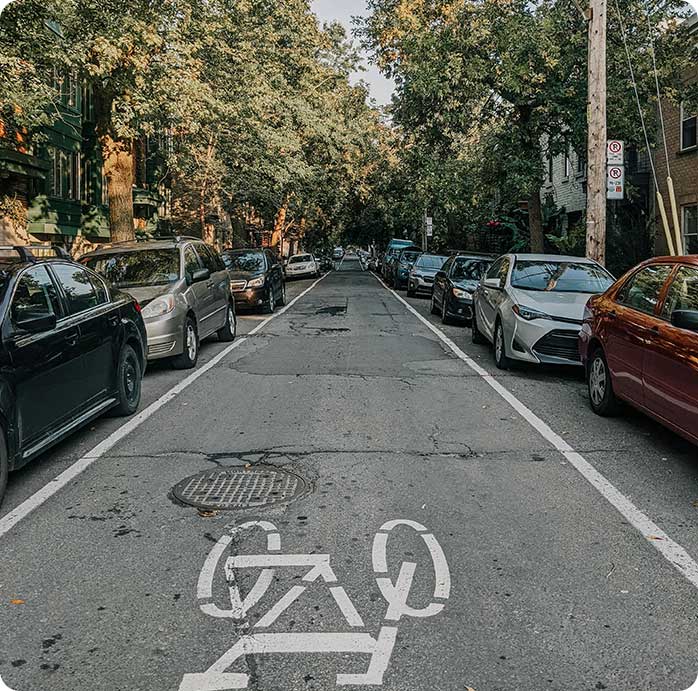
 On the Plateau-Mont-Royal, we love the cafés, the green alleys… a little less the “clac-clac” and “boom” when we pass over a pothole. If you feel your car is aging faster than elsewhere, you’re not alone: the neighborhood’s road conditions are particularly hard on suspensions.
In this article, we explain why the Plateau puts your suspensions to the test, how to recognize the signs of wear, and above all how to protect your vehicle on a daily basis.
1. A beautiful neighborhood… but hard on your car
The Plateau has charming streets, stone sidewalks, outdoor staircases… and roads that are often very busy. Traffic is heavy, streets are narrow, deliveries and buses often use the same routes.
In practical terms, this means that your suspension takes a beating:
- Repeated shocks (holes, bumps, collapsed manhole covers);
- Tight maneuvers (short turns, parallel parking in small spaces);
- Frequent ascents and descents of sidewalks, alleyways and driveways.
All these repeated little “knocks” end up fatiguing shock absorbers, springs and steering components.
2. The freeze-thaw cocktail and potholes: enemy number one
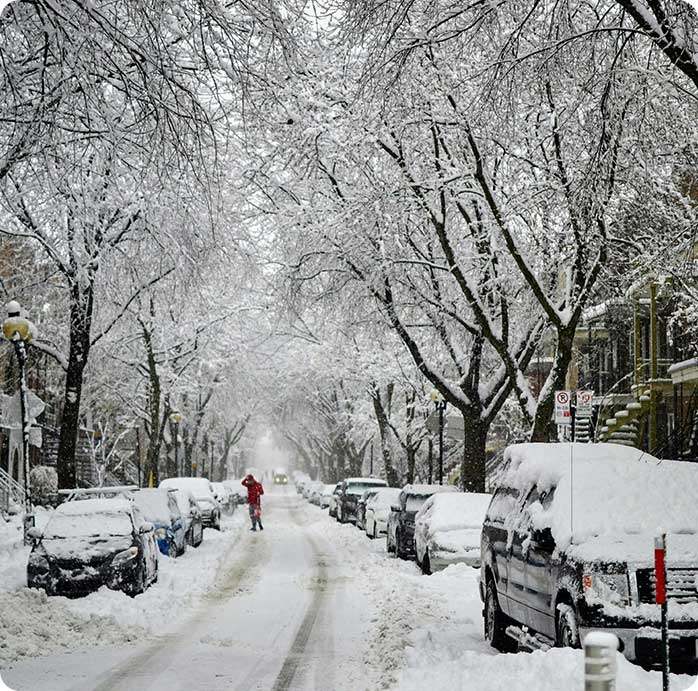
In Montreal, we live with the freeze-thaw cycle for several months of the year. Water seeps into the asphalt, freezes, expands, thaws and leaves a void. The result: cracks, subsidence… and potholes.
On the Plateau, where streets are heavily used, these defects appear quickly and expand rapidly. Every time your wheel falls into a hole:
- The shock absorber receives a violent shock;
- Suspension and steering joints take a brutal load;
- In the long run, this creates play, noise and deteriorating ride comfort.
Regular maintenance of suspension and steering systems helps to spot the beginnings of wear and tear before they become major repairs.
3. Speed bumps, narrow streets and high sidewalks: everyday fatigue
On the Plateau, speed bumps and road narrowings are commonplace to slow traffic. This is a good thing for safety… but if you drive over them too fast, your suspension feels it immediately.
Add to this..:
- High sidewalks at alley entrances;
- steep garage ramps;
- Tight turns on narrow streets.
All these elements create sudden load changes on suspension components: arms, ball joints, connecting rods, silentblocks, etc. It’s often these parts that start to make a “cloc cloc” noise. It’s often these parts that start to make a “cloc cloc” noise when you go over a small bump.
 4. Urban driving: braking, tight turns and parking
The suspension doesn’t just work “vertically” over bumps and holes; it also manages weight transfers:
- Frequent braking at lights and stops;
- Short but repetitive accelerations;
- Tight turns at low speeds;
- Parallel parking where you sometimes “climb” the sidewalk a little.
- On the Plateau, this intense urban driving is the norm. In practice:
- The weight of the vehicle shifts forward with each braking action, putting more strain on the front shock absorbers and springs;
- Tight bends load steering and suspension components on one side and then the other;
- Small curb “climbs” during maneuvers add extra shock.
Over time, irregular tire wear appears, a symptom often associated with the need for a tire change, but which sometimes masks an underlying suspension problem.
 5. Type of vehicle: SUVs, vans and loaded vehicles
Many Plateau residents drive SUVs, crossovers or pickup trucks, often used for work, family outings or transporting equipment. These vehicles are heavier than a simple passenger car.
The heavier the vehicle:
- The harder the suspension works at every imperfection in the road;
- The more the shock absorbers and springs are stressed during braking;
- The faster steering parts wear out.
An SUV or pickup truck that travels daily on the streets of the Plateau will often see its shocks, tie rods and ball joints fatigue sooner than the same model that drives mainly on the highway.
6. How to tell if your suspension is starting to suffer
There are a few simple warning signs:
- Your car bounces longer after a speed bump;
- You hear clunking, creaking or squeaking over bumps;
- The steering wheel seems less stable, especially when cornering or in strong winds;
- You notice uneven tire wear;
- The car seems to “lean” slightly to one side.
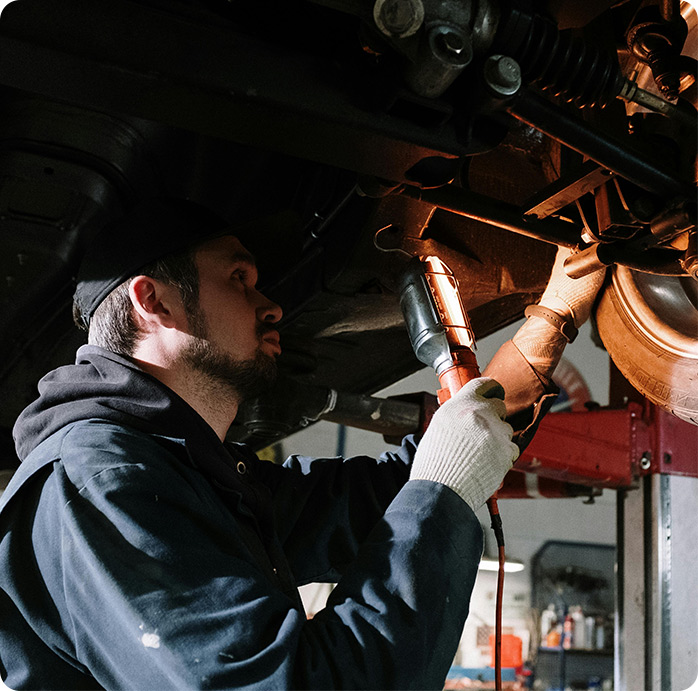
A full diagnosis will reveal whether it’s just tired silentblocks, shock absorbers that need replacing, or a more advanced problem with the suspension geometry.
7. How to protect your suspension on the Plateau: practical advice
You’re not going to move for your shocks (and we understand!). But there are a few things you can do to prolong their life:
- Slow down before potholes and speed bumps
Even 10 km/h slower can make a big difference to the impact on suspension parts. - Avoid climbing curbs abruptly
Drive into alleys and parking lots at an angle, and gently, to spread the load. - Monitor tire wear
Irregular wear is often a sign that the alignment or suspension need some love; this is an opportunity to combine a tire change with an alignment check. - Don’t permanently overload your vehicle
Work equipment, sports gear, tools left in the trunk… all this weight puts a strain on your springs and shock absorbers. - Schedule a periodic check
A preventive check of suspension and steering often avoids heavier (and more costly) repairs later on.
8. When should you consult a local garage?
As soon as you feel that:
- The car doesn’t react like it used to;
- Noises on bumps become regular;
- Tires are wearing strangely;
- You start to “suffer” the Plateau road instead of just driving…
…it’s time to have your suspension checked. Not to change everything automatically, but to know where you stand, with a clear explanation and priorities based on your budget and safety.
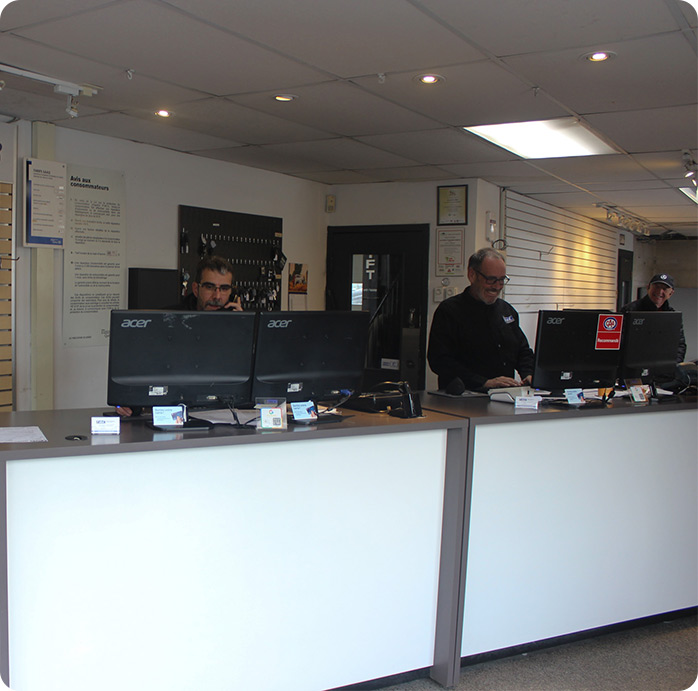
At Alex Pneu et Mécanique, every day we see vehicles going through exactly the same conditions as yours. Our role is to simply explain what we find, to tell you what’s urgent, what can wait, and what’s just something to keep an eye on.
The Plateau road is tough… but your car doesn’t have to suffer.
The streets of the Plateau-Mont-Royal are part of the neighborhood’s charm, but they put your suspension to the test: potholes, speed bumps, high sidewalks, dense urban driving, heavier vehicles… everything combines to accelerate wear and tear.
By adopting a few simple reflexes and having your suspension checked periodically, you’ll prolong the life of your vehicle, improve your comfort and, above all, drive safely.
If you feel that your car is reacting differently on local roads, don’t hesitate to have your suspension and steering system assessed at your next service appointment.
You can schedule an appointment online in just a few clicks here: https://alex.ca/en/appointment/